The Benefits of Limewash and Clay Plaster for Sustainable Home Design
- Journalising Designers
- Jun 9
- 3 min read

When I first started exploring sustainable home design, I was drawn to natural materials that not only look beautiful but also support a healthier living environment. Two materials that quickly stood out were limewash and clay plaster. Both have been used for centuries, yet they offer modern benefits that align perfectly with eco-friendly building practices. In this post, I want to share what I’ve learned about these materials, how they work, and why they might be the right choice for your next home project.

What Is Limewash and Why It Matters
Limewash is a natural paint made from limestone that has been crushed, burned, and mixed with water. It creates a breathable, matte finish that ages beautifully over time. Unlike conventional paints, limewash allows moisture to pass through walls, reducing the risk of mold and dampness. This breathability is a key reason why limewash is favored in sustainable building.
Here’s what makes limewash stand out:
Eco-friendly: Limewash is made from natural ingredients and doesn’t emit harmful volatile organic compounds (VOCs).
Durable and self-healing: It reacts with carbon dioxide in the air to harden and can even repair small cracks over time.
Antibacterial properties: Lime’s high pH helps prevent bacteria and fungi growth, improving indoor air quality.
Unique aesthetic: The finish is soft and chalky, with subtle variations that add character to walls.
In my experience, limewash works best on porous surfaces like brick, stone, or plaster. It’s not just a paint but a protective layer that enhances the longevity of the building materials beneath it.
Clay Plaster and Its Role in Healthy Homes
Clay plaster is another natural material that has gained popularity among sustainable builders. Made from clay, sand, and sometimes natural fibers, it creates a smooth, earthy surface that regulates humidity and temperature inside the home.
What I appreciate most about clay plaster is its ability to:
Regulate moisture: Clay absorbs excess humidity and releases it when the air is dry, helping to maintain a comfortable indoor climate.
Improve air quality: It traps dust and allergens, reducing airborne irritants.
Provide thermal mass: Clay walls can store heat during the day and release it at night, reducing energy needs for heating and cooling.
Offer a natural look: The warm, muted tones of clay plaster bring a calming, organic feel to interiors.
Clay plaster is versatile and can be applied on walls and ceilings. It’s also easy to repair, which means less waste over time.

Combining Limewash and Clay Plaster for Sustainable Design
Using limewash and clay plaster together can create a home that is not only beautiful but also healthier and more energy-efficient. For example, clay plaster can be applied on interior walls to regulate humidity, while limewash can protect exterior stone or brick surfaces.
Here are some practical benefits I’ve noticed:
Longevity: Both materials age gracefully and require minimal maintenance.
Reduced environmental impact: They use fewer resources and produce less waste compared to synthetic paints and plasters.
Comfort: Homes feel fresher and more comfortable thanks to natural moisture regulation.
Aesthetic flexibility: You can choose from a range of natural colors and textures to suit your style.
In one project I worked on, the homeowners chose clay plaster for their living room walls and limewash for the exterior. They reported fewer issues with dampness and a noticeable improvement in indoor air quality.
Tips for Using Limewash and Clay Plaster
If you’re considering these materials, here are some tips based on my experience:
Surface preparation matters: Limewash works best on porous surfaces. Avoid applying it on glossy or sealed walls.
Test colors first: Both limewash and clay plaster can look different depending on lighting and substrate.
Apply in thin layers: Multiple thin coats provide better coverage and durability.
Work with professionals: These materials require specific techniques to achieve the best results.
Be patient: Limewash can take time to cure and develop its full character.
Where to Find Limewash and Clay Plaster
Many eco-friendly building suppliers offer limewash and clay plaster products. Look for brands that use natural ingredients and avoid synthetic additives. Local artisans and plasterers often have valuable knowledge about applying these materials in your region’s climate.
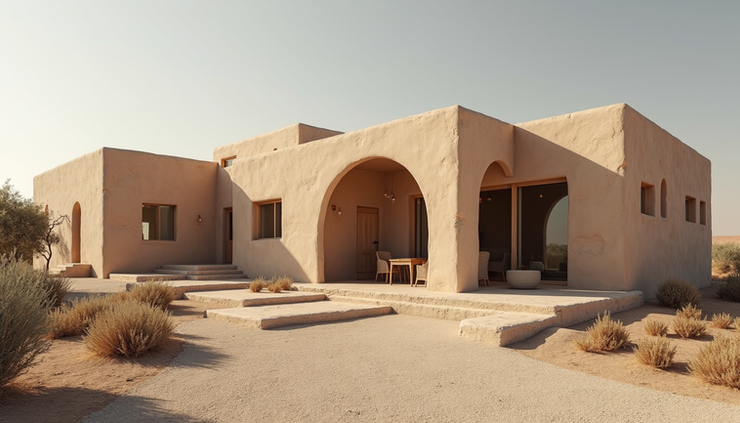
Choosing limewash and clay plaster means investing in materials that support a healthier home and planet. Their natural properties improve indoor air quality, regulate moisture, and reduce environmental impact. If you want a home that feels good to live in and stands the test of time, these materials deserve serious consideration.
Explore local suppliers, ask for samples, and imagine how these timeless finishes could transform your space. Sustainable design is not just about what looks good but what feels right—and limewash and clay plaster deliver both.